The Second-Semester Slump: The Reality of the Second Semester in College
Source: theknowfresno.org
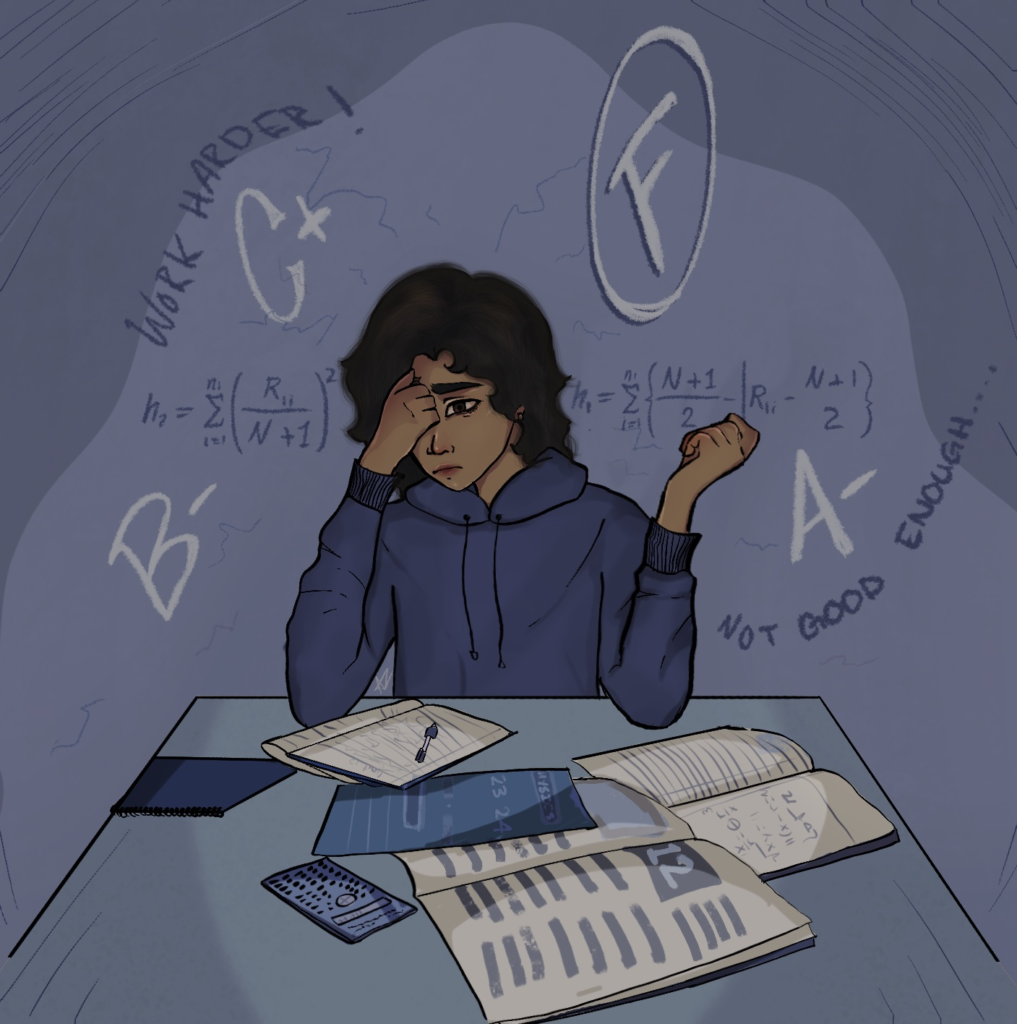
For most freshmen, the first semester is a phase of orientation and adjustment. Although fraught with challenges, it is met with enthusiasm, boundless ambition, and a sense of gratitude for finally achieving student status. However, as the second semester begins, that dynamic often shifts. Euphoria gives way to exhaustion, and ambition begins to be eroded by routine. This phenomenon is not merely a collective feeling that is often complained about; the academic world recognizes it as the Second Semester Slump.
Statistically, many students experience a drop in their Grade Point Average (GPA) in the second semester. According to several journals, this phenomenon is not merely a myth. The data indicates that this is more than just second-semester students being lazy. A study published in the *Journal of College Student Retention* shows that the transition from the first to the second semester is often accompanied by a decline in intrinsic motivation. In the first semester, students are in “survival mode,” which keeps their academic vigilance very high. However, in the second semester, this vigilance decreases because students feel they’ve “got the hang of things.”
Another study from Sultan Ageng Tirtayasa University (2022) also highlights a strong correlation between time management and GPA in the second semester. The results show that a drop in GPA during this period is often caused by a significant reduction in study time compared to the first semester. Students tend to start normalizing the all nighter because they perceive the material in the first semester as merely introductory, even though the cognitive load of courses in the second semester typically doubles.
One of the biggest psychological factors is the accumulation of Academic Burnout. In the first semester, students tend to take courses lightly and study with minimal effort, yet still receive satisfactory grades. This leads students to develop a misguided mindset regarding course material. Upon entering the second semester, students are often caught off guard by material that is more challenging than in the first semester. Citing research from Sekolapedia (2026), a critical mistake students make in the second semester is getting trapped in the “Early Semester Euphoria” syndrome.
Students often underestimate the first few weeks because they feel the workload is still light. In reality, course material is cumulative. What is taught in the second week forms the foundation for the tenth week. When this foundation is neglected—whether due to being too engrossed in club activities or simply relaxing, students will struggle by mid-semester, and it is at this point that their GPA begins to be at risk of dropping.
The second semester is also typically a time when students begin to get involved in organizations or Student Activity Units (SAUs). For students in faculties with heavy course loads, such as Medicine or Engineering, this challenge is twofold.
Research in the Journal of Indonesian Medical Education (JPKI) indicates that students in their first two years often face academic difficulties due to an inability to manage their study strategies amid a packed schedule. Increased social interaction is indeed beneficial for personal development, but if it isn’t accompanied by self-regulated learning, classroom performance will suffer.
Avoiding the Second Semester Slump requires not just hard work, but smart work. If data indicates a downward trend, that doesn’t mean we can’t counter it.
- Organize your schedule based on priority
Students often feel that everything is important, from academic assignments and club meetings to spending time with friends. However, the key to success lies in the ability to distinguish between what is urgent and important and what can be postponed. Use the Eisenhower Matrix to organize your tasks. By establishing a priority list, you won’t waste your energy on trivial matters that don’t contribute to your main goals on campus.
- Learning well in advance
Stop the habit of all nighter (all-nighters). The course material in the second semester is usually more in-depth and technical. Studying a little each day for three days leading up to the exam is far more effective than studying for 10 hours straight right before the exam. In addition to reducing stress levels, studying well in advance gives your brain time to truly understand the concepts, rather than just memorizing them.
- Find the right learning style
Every student has a unique way of absorbing information. Some grasp concepts more quickly through visual means (pictures/diagrams), auditory means (listening to explanations), or kinesthetic means (hands-on practice). Identifying your own learning style will greatly improve your learning efficiency amid a busy schedule.
The Second-Semester Slump is real, but it’s not the end of the world. A drop in GPA during the second semester often serves as a much-needed wake-up call for students to realize that they need to balance their daily lives with their academic responsibilities. College is a place for learning, a drop in GPA is not the end of the academic journey. Ultimately, successful students are not those who never see their grades slip, but those who understand when to hit the brakes and when to step on the gas again with a more refined strategy.
Writer: Nurhabibah Khoirotunnisa/Medicine ’24
Editor: Sapna Fullaili/Architecture ’25