High Price of Pertamax Causes Long Lines for Pertalite; Government Says the Impact Is Still Manageable
Source : Solobalapan.jawapos.com
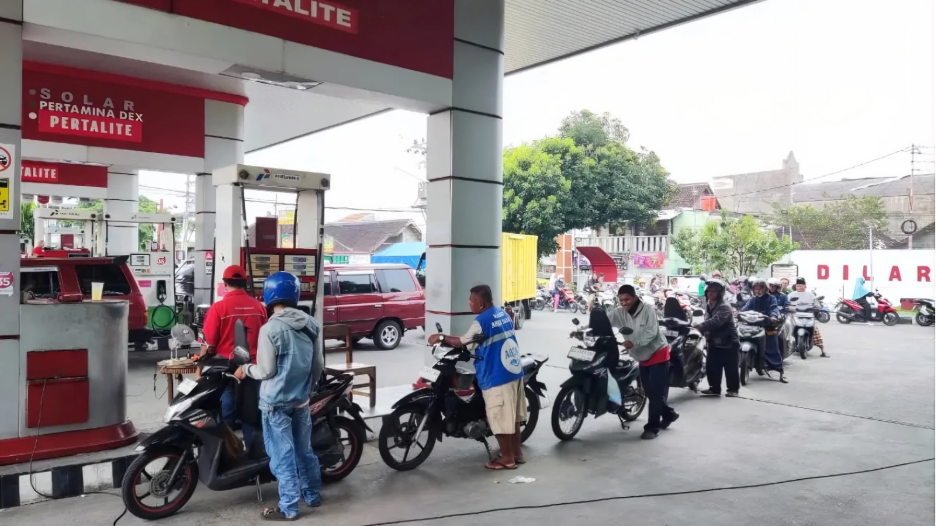
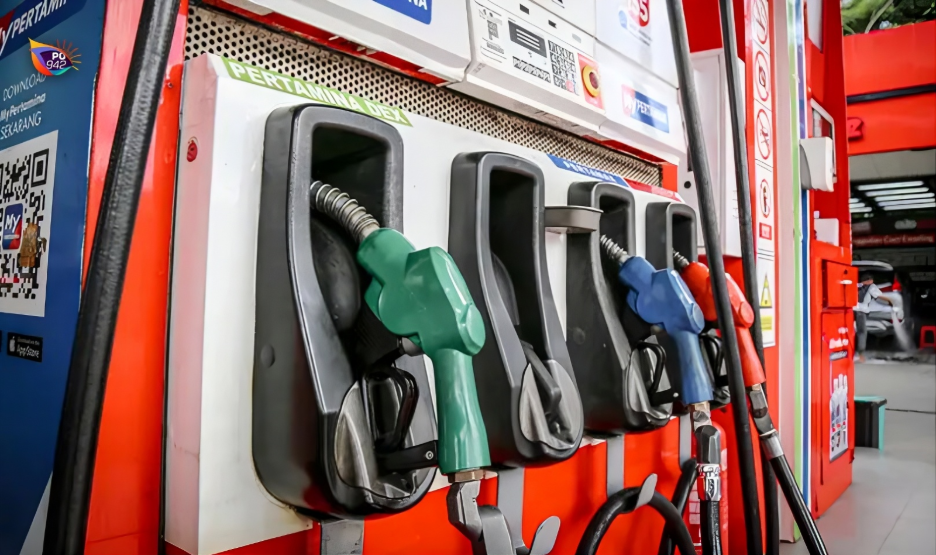
LPM CAMPUS – PT Pertamina (Persero)’s policy implemented through PT Pertamina Patra Niaga to maintain the retail price of the non-subsidized fuel type Pertamax (RON 92) at Rp16,250 per liter since June 10, 2026, continues to drive shifts in public consumption. This price adjustment triggered by global geopolitical fluctuations and the weakening of the rupiah is straining the budgets of millions of households in Indonesia. The most significant impact is evident in various regions, including Solo and its surrounding areas, where a number of gas stations have recorded a surge in consumer demand shifting from Pertamax to Pertalite.
Based on observations in several strategic areas of Solo and its surroundings, lines for subsidized Pertalite gasoline stretched all the way to the road shoulder, especially during the busy rush hour as people headed home from work. A stark contrast is evident at the non-subsidized gas stations, such as those offering Pertamax and Pertamax Green 95, which tend to be empty of both two- and four-wheeled vehicles. The widening price gap of up to Rp6,250 per liter is the main reason why drivers in Solo are willing to spend more time waiting in line to save on their gas expenses. A local resident echoed this sentiment: “Wow, I used to be the type who didn’t want any hassle I’d always fill up with Pertamax so I could get it done quickly, avoid the line, and keep my motorcycle running smoothly. But with a price gap as high as Rp6,250 per liter like this, it’s really starting to hit my wallet hard,” said Baskoro, a self-employed businessman.
Although the government assesses that the inflationary impact of the price adjustment for non-subsidized fuel will be minimal since it does not target the main logistics sector, economists are actually concerned about a far greater physical risk. The primary risk looming now is the potential for the national quotas for subsidized Pertalite and diesel to be exhausted before the fiscal year ends. The wide price disparity following the Pertamax price hike has psychologically driven millions of private vehicle owners both two-wheeled and four-wheeled to switch to subsidized fuel. This phenomenon of a mass migration of middle-class consumers to Pertalite is seen as a recurring reality whenever the price gap widens.
Source : Gemasuryafm.com
If this shift in consumption trends is allowed to continue without policy intervention, observers project a chain reaction that will deplete national quota reserves due to a surge in daily Pertalite consumption exceeding the State Budget (APBN) target. This situation is certain to trigger a surge in energy subsidies, requiring the government to increase compensation funds allocated to PT Pertamina (Persero) to cover the actual excess quota on the ground. Consequently, this has the potential to disrupt the state budget’s structure, as government spending originally allocated for infrastructure development or social assistance programs risks being diverted to cover the subsidy deficit.
On the ground, this mass shift from unsubsidized to subsidized gasoline is reportedly becoming increasingly unstoppable. Many owners of the latest models of two-wheeled vehicles for which manufacturers explicitly recommend using gasoline with a minimum octane rating of 92 (Pertamax) are now forced to switch to 90-octane (Pertalite). From an automotive engineering perspective, this decision to switch fuel types is considered a risky compromise. Modern motorcycle engines are generally designed with high compression ratios. When fueled with lower-octane gasoline, a drop in performance is immediately noticeable, ranging from engine knocking and sluggish acceleration to a drastic increase in engine block temperature. “The engine sounds a bit rough when I accelerate gently,” complained Joni (34), an online motorcycle taxi driver, when we met him while he was waiting in line at a gas station.
The dilemma faced by the working class reflects mass psychology amid the current economic pressures. People are generally fully aware that using fuel with an octane rating that does not meet the manufacturer’s specifications can lead to the buildup of carbon deposits in the combustion chamber, which over time risks damaging the engine. Nevertheless, the immediate need to cut short-term living expenses is considered far more urgent for them than worrying about the risk of rising vehicle maintenance costs in the future.
Writer : Bela Diana Puspitasari/Physiotherapy’24
Editor : Salwa Nurul Aini Rakantika/Communication Science ‘25