The Death of Morality: When Arrogance of Power Silenced a Young Doctor
Source: IDN times
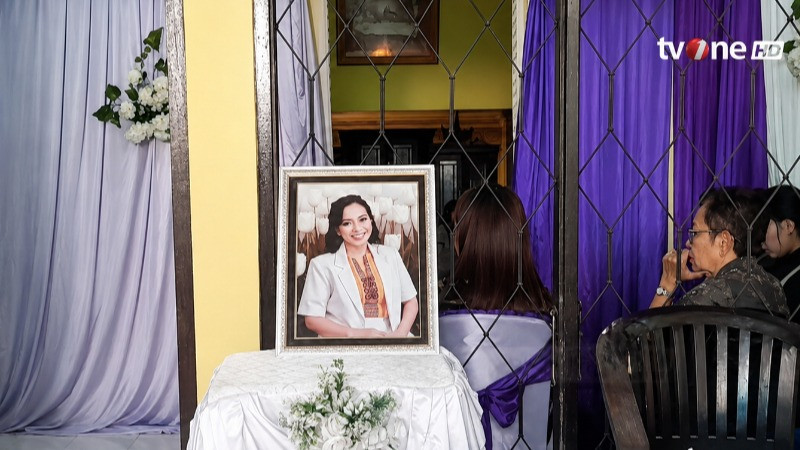
The Emergency Room (ER) is supposed to be a place where healthcare workers and patients work together to save lives. However, for dr. Eliza Princila Utami Pakaenoni, affectionately known as dr. Icha, the on-call doctor in the ER at Leona Kefamenanu Hospital in North Central Timor (TTU), East Nusa Tenggara (NTT), it turned into the beginning of a nightmare that ended her life.
The tragedy that befell dr. Icha is not merely a heartbreaking story of a young doctor who succumbed to mental pressure. It is a grim portrait of how the arrogance of power and the loss of basic human morality can be more deadly than even the most venomous snake bite.
A patient in his 20s arrived at the emergency room complaining of a snake bite; his vital signs were stable, and he remained conscious despite visible bite wounds. After immobilization and observation, laboratory results and the patient’s physical condition indicated a normal status. The patient was also consulted by a specialist in snake venom, dr. Tri Maharani, who deemed the patient stable and in no need of antivenom (SABU).
However, science and professional ethics suddenly crumbled when the ruler’s ego entered the room. The arrival of an emotional member of the TTU Regional Legislative Council turned the treatment room into a stage for intimidation. Shouts, verbal threats, and even derogatory remarks were directed at the doctor. They demanded a quick fix in the name of panic, refusing to listen to rational explanations from someone who had spent years of her life learning how to save lives.
For an on-call doctor, the shouting from people who hold the title of “people’s representatives” is not merely a reprimand. It is a psychological attack that shatters her sense of safety as a medical professional. A subsequent psychiatric evaluation revealed that dr. Icha suffered severe trauma leading to major depression. A week later, she was found dead after taking her own life.
This case serves as a harsh wake-up call for all of us regarding the importance of human morality. The trappings of office, power, or political status often cause people to forget that behind their uniforms or positions lies a far more fundamental obligation: to be human beings who treat others with humanity.
There are three key moral lessons to be learned from this tragedy:
- The Loss of Respect for Expertise
Bringing political authority into the medical realm is a fatal form of arrogance. Council members are elected to oversee policy, not to dictate medication dosages or emergency patient care procedures.
- The Absence of Empathy in Communication
Panic is a natural human reaction when a family member is ill. However, venting that panic by intimidating and demoralizing a medical professional who is trying to help is a failure to manage emotions and a loss of empathy.
- Abuse of Power
“I can revoke your medical license,” is a threat to the future of a doctor who has studied for years to achieve her dream; using one’s position in the legislature to make such a threat is a clear act of bullying. When power is used to oppress the weak, the service function of that power has died.
Now dr. Icha is gone, leaving deep sorrow for her family and the Indonesian medical community. Her passing must serve as a catalyst for a comprehensive evaluation. Hospitals must be safe zones that protect their workers from all forms of interference and verbal abuse, regardless of who the perpetrator is.
More than just the legal proceedings or ethical sanctions currently underway against these legislators, this case is a telling reflection of the cracks in our public ethics. Before we talk about developing our regions, leading the people, or making laws, the first thing we must address is our capacity to be moral human beings. Without morality and a sense of humanity that is just and civilized, power is nothing more than a weapon ready to claim its next victim. If such people become our leaders in the government, we will be the next victims.
Writer: Nurhabibah Khoirotunnisa/Medicine’24
Editor: Sapna Fullaili/Architecture’25